March 26, 2026
Phu Quoc National Park reveals the wilder side of Vietnam’s Pearl Island, where tropical forests, quiet beaches, and open landscapes create one of the most refreshing escapes on Phu Quoc Island. Nature lovers and adventure seekers can explore scenic trails, enjoy a rewarding day trip, and experience a calmer rhythm beyond the busy tourist hubs. In the Phu Quoc National Park Guide, Cassia Cottage helps travellers plan a smooth visit, whether a Phu Quoc itinerary includes a short nature stop or a full outdoor adventure.
About Phu Quoc National Park
Location: 82JJ+M57, Phú Quốc, An Giang
Phu Quoc National Park lies about 13 kilometres northeast of the centre of Phu Quoc Special Zone in An Giang Province, formerly Kien Giang Province, off the fertile region of the Mekong Delta. The park protects one of southern Vietnam’s most remarkable natural areas and forms part of the Kien Giang Biosphere Reserve, a UNESCO-designated site and biologically sensitive area. About 45 kilometres west of Ha Tien and 120 kilometres from Rach Gia, Phu Quoc National Park helped shape the unique biodiversity in Vietnam. Interestingly, the island lies just about 4 kilometres from Cambodia, which may indicate ecological connections and the presence of species shared between the two territories.
Phu Quoc National Park Acreage and Conservation Aspect
Phu Quoc National Park stretches across Bai Thom, Cua Can, and Ganh Dau communes, along with parts of Ham Ninh and Cua Duong communes. The Prime Minister established the park in 2001 to preserve biodiversity and strengthen eco-tourism on Phu Quoc Island.
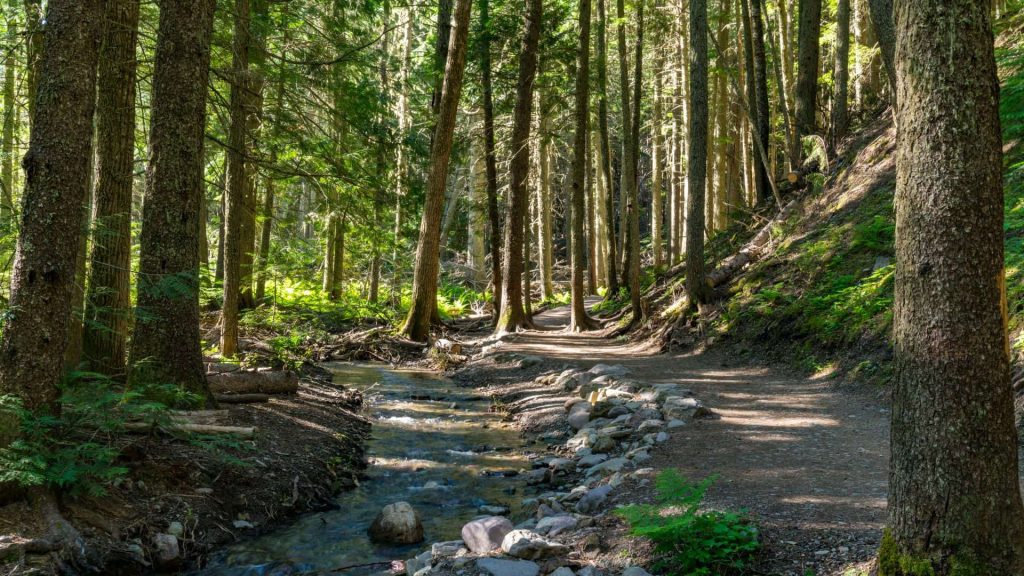
Phu Quoc National Park covers more than 31,000 hectares of evergreen forest and supports 929 recorded plant species, with Fabaceae shaping much of the lowland forest. Park waters hold rich coral reefs with 41% living coral cover and support diverse marine life, including the rare Tridacna squamosa, along with occasional hawksbill turtles and dugongs. Mangroves, mountain forests, and marine habitats create a varied ecosystem that supports conservation, climate regulation, and local livelihoods.
Why Phu Quoc National Park Is Worth Visiting
Pleasant Weather for Outdoor Exploration
Phu Quoc has a warm tropical climate, with temperatures usually ranging from 24°C to 31°C, making the national park suitable for nature trips in many months of the year. The dry season, from November to April, is the best time to visit Phu Quoc National Park for hiking, birdwatching, and forest walks. The rainy season, from May to October, brings more humidity and rainfall. Still, it also makes the forest greener, streams fuller, and the scenery more vibrant for travellers who enjoy lush tropical landscapes.
Rich Forest and Marine Ecosystems
Phu Quoc National Park is more than a scenic green escape. As part of the UNESCO-designated Kien Giang Biosphere Reserve, it helps protect some of the island’s most important forest, coastal, and marine ecosystems. Visitors can explore evergreen forests, lower-elevation Melaleuca areas, native wildlife habitats, and nearby coral reef ecosystems in one destination. This makes the park a great choice for travellers who want to experience Phu Quoc’s natural side beyond beaches and resorts.
Top 7 Things to do in Phu Quoc National Park
Here is a list of simple Phu Quoc national attractions, from hiking through tropical forests to discovering wildlife, streams, and scenic natural landscapes.
1. Phu Quoc Hiking Through Scenic Trails
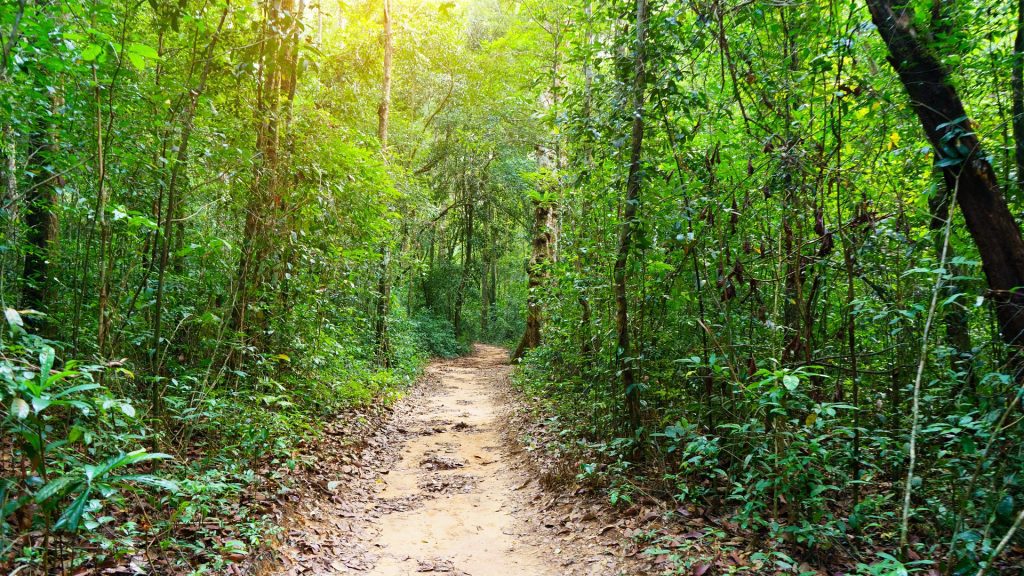
Phu Quoc National Park has many hiking trails for all skill levels. Whether you enjoy a simple walk or a challenging trek, you’ll find a Phu Quoc National Park trail that’s right for you. The Ganh Dau Trail is particularly popular for hiking in Phu Quoc. The hike to Mount Chua, the park’s highest point, offers stunning views of the island. As you walk, you’ll see different landscapes like thick forests, open fields, and quiet rivers.
- Mount Chua Hike: A challenging 7.5 km trek (2.5+ hours) through dense forest to the island’s highest peak, with panoramic views.
- Suoi Tien Trail: An easy 4 km route, ideal for beginners and families, with scenic forest surroundings.
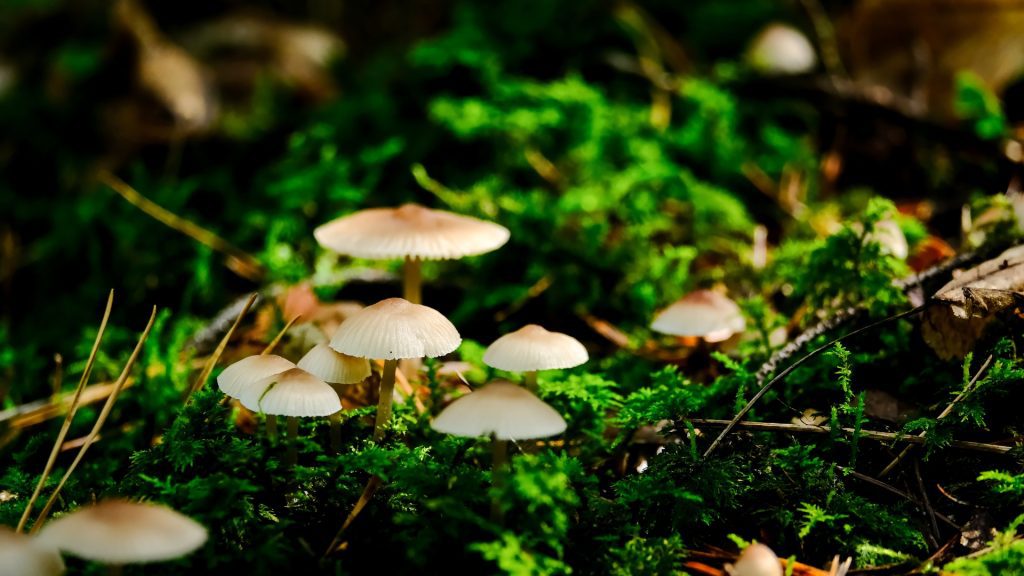
- Jungle Walks: Discover rich biodiversity (470+ plant species) and spot wildlife, including monkeys and hornbills.
2. Visit and Bathe in the Refreshing Streams
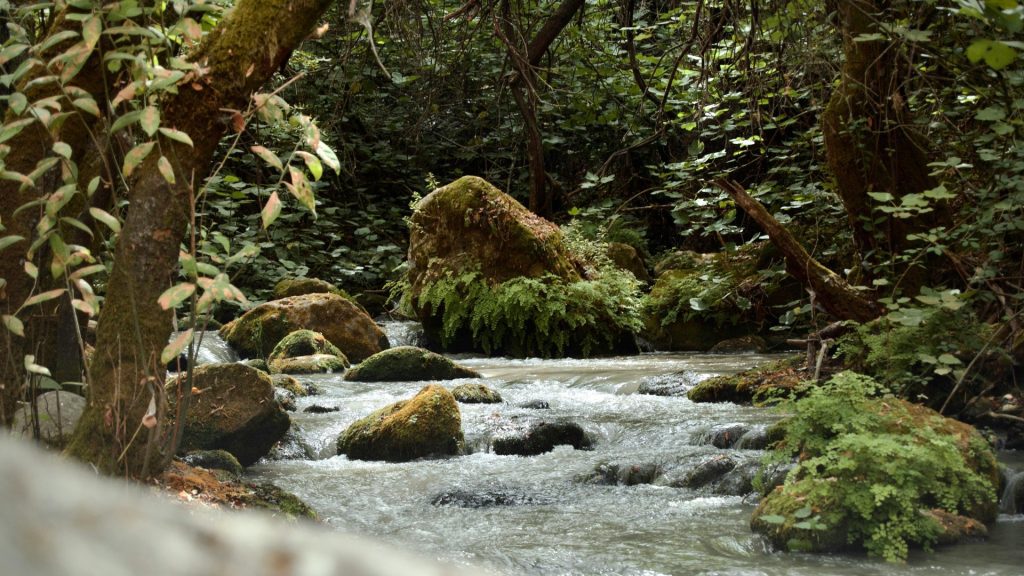
After an adventure on Phu Quoc National Park hiking routes, cool off at one of the park’s hidden Phu Quoc waterfalls. These peaceful spots are great for taking a break and enjoying the beauty of nature. You can also relax at the forest springs, where the clear water and quiet surroundings help you unwind. A forest walk on Phu Quoc is a perfect way to immerse yourself in the natural surroundings.
- Da Ban Stream: Famous for flat rock formations and natural pools, ideal for picnics.
- Da Ngon Stream: Remote and adventurous, with higher waterfalls for a refreshing swim.
3. Wildlife Watching
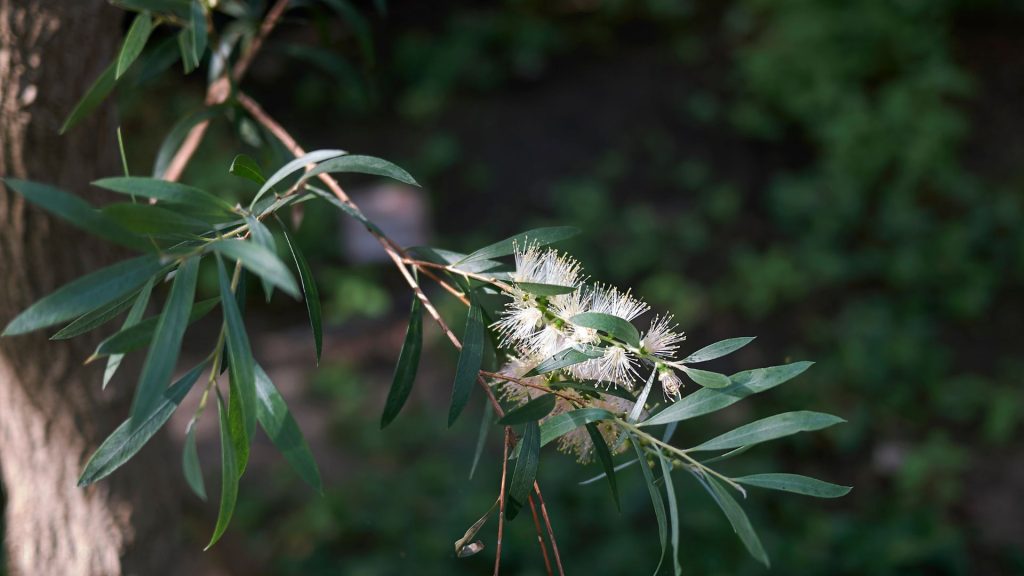
Phu Quoc National Park, Vietnam, is home to over 470 plant species and a variety of offshore coral reefs. The park protects 12,794 hectares of the island’s evergreen forest, which makes up 86% of the area. Across Phu Quoc Island, 929 plant species have been identified, including distinct Melaleuca trees, which change colour with the seasons.
The park is also home to many different animals. Look out for rare species such as the long-tailed macaque and silver langur, as well as colourful birds like hornbills. Here is a sanctuary for 43 mammal species, six of which are listed in Vietnam’s Red Data Book, the 2005 IUCN Red List, or the Governmental Decree 32/2006/ND-CP. Endangered animals include the silvered langur, slow loris, and small-clawed otter. The surrounding waters boast 125 fish species, 132 mollusc species, and 62 types of seaweed, along with rare sightings of hawksbills and Dugongs.
Tip: Don’t forget to watch for the butterflies of Phu Quoc National Park, their bright colours are sure to catch your eye. Make sure to capture these moments as Phu Quoc National Park photos are a great way to remember your trip.
4. Enjoy Local Food After Your Visit
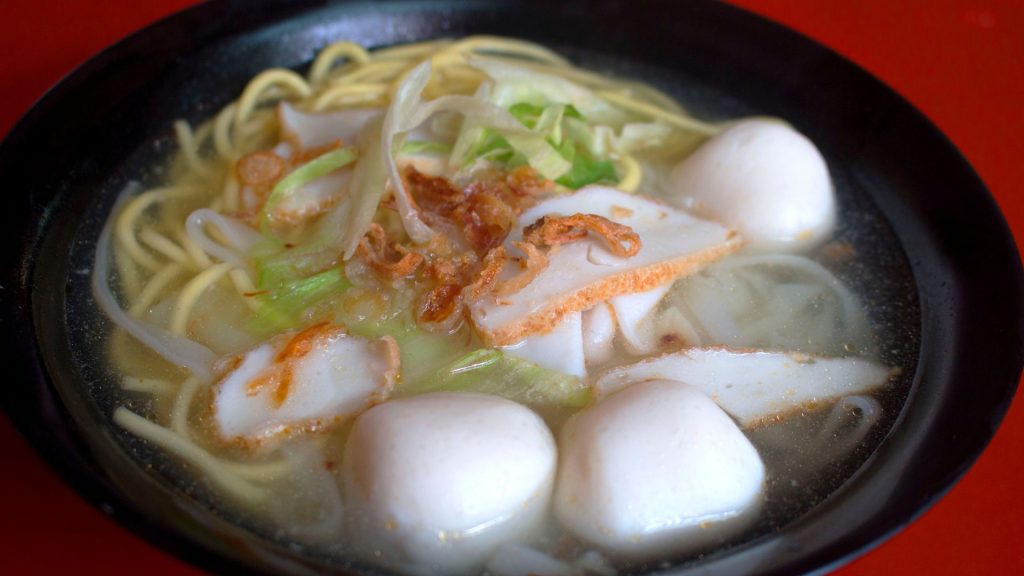
After a morning in the forest, many travellers head to Ham Ninh Fishing Village for a relaxed seafood meal by the water.
Must-try specialties when visiting Phu Quoc National Park, Vietnam:
- Ken noodles: Ken noodles, or bún kèn, is a local Phu Quoc specialty made with rice noodles, fish-based curry broth, coconut milk, herbs, and shredded papaya. Its rich, creamy, and slightly spicy flavour makes it a must-try dish for first-time visitors.
- Raw herring salad: Raw herring salad, or gỏi cá trích, combines fresh herring with herbs, shredded coconut, onion, and a flavourful local dipping sauce. It is usually wrapped in rice paper with fresh vegetables, creating a refreshing taste of Phu Quoc’s coastal cuisine.
- Slipper lobster: Slipper lobster is a popular seafood choice in Phu Quoc, loved for its firm, sweet, and tender meat. It is often grilled, steamed, or cooked with garlic butter to bring out its natural flavour.
- Steamed crab: Steamed crab is a simple but delicious dish that highlights the crab’s natural sweetness and delicate texture. It is best enjoyed fresh with salt, pepper, lime, or a local seafood dipping sauce.
5. Camping in Nature
Some areas around the park are popular for camping, especially for travellers who want an early-morning forest experience and a quieter connection with nature. Vietnam’s tourism site also highlights camping as a common outdoor activity in protected natural areas, and local Phu Quoc guides mention Da Ngon, Ham Ninh, and Ganh Dau as camping-friendly stream areas.
6. Mountain Biking on Dirt Trails
If you want something more active than walking, you can add cycling or mountain biking on the park’s dirt roads and forest-edge routes. Rent a motorbike and ride through the park’s quiet roads, enjoying its ever-changing forest scenery. Biking is often mentioned alongside trekking as one of the best ways to explore protected landscapes in Vietnam, and Phu Quoc trail guides note remote routes used by cyclists in the island’s north.
7. Kayaking Near Mangroves and River Areas
For a softer adventure, you can include kayaking near the park’s river and mangrove zones, especially around the Cua Can area. Several recent travel guides describe this as a beginner-friendly way to experience the park’s quieter natural side.
- Cua Can River Kayaking: Paddle through peaceful mangroves on one of Phu Quoc’s most popular eco-tours.
- Bamboo Basket Boat: Enjoy a slower, scenic ride along the Cua Can River in a traditional basket boat.
How to Get to Phu Quoc National Park
Phu Quoc National Park is not yet fully accessible to tourists, but there are several ways to explore its beauty:
The Routes:
- From Duong Dong to Phu Quoc National Park: Follow Nguyen Trung Truc Street toward Bai Thom, then continue from the Duong Dong – Bai Thom junction for about 6 kilometres to reach a park access point. The journey usually takes around 20 to 30 minutes, depending on road conditions.
- From Phu Quoc Airport to Phu Quoc National Park: Travel northeast from Phu Quoc Airport along DT45 for roughly 35 kilometres to reach the national park area.
Transport: Motorbike rental usually costs about VND 120,000 to 180,000 per day, while self-drive car rental starts at around VND 700,000 per day.
Practice tips:
- Rough roads and limited forest access can make the trip more challenging; you need to park and walk about 8 km to arrive at the core of the rainforest.
- Especially for first-time visitors. A local guide can help you navigate the route, understand the local flora and fauna, and avoid getting lost on deeper forest trails

Planning Your Visit to Phu Quoc National Park: What You Need to Know
Best Time to Visit Phu Quoc National Park
Phu Quoc Island National Park is great to visit all year, but the best time is during the dry season, typically from March to June, when you can see beautiful rose myrtle flowers in bloom. The weather is cooler, which makes outdoor activities more comfortable. If you’re planning a Phu Quoc itinerary, consider including the park in your schedule during this time for the best experience.
What to Bring to Phu Quoc National Park
Before you start your adventure at Phu Quoc National Park, make sure to bring the essentials:
- Wear hiking shoes or trail sneakers with good grip for uneven paths, forest tracks, and streamside areas.
- Choose light, breathable clothing that helps you stay comfortable in Phu Quoc’s warm and humid weather.
- Bring a hat and sunscreen to protect your skin during exposed sections of the journey.
- Pack insect repellent before entering the forest, as mosquitoes and other bugs are common in tropical park areas.
- Carry plenty of water and a few light snacks to stay hydrated and keep your energy up during the walk.
- Bring a light raincoat or poncho in case the Phu Quoc weather changes during the trip.
- Keep a camera or smartphone ready to capture forest views, streams, and quiet wildlife moments along the way.
Where to Stay on Phu Quoc to Extend Your Visit Overnight
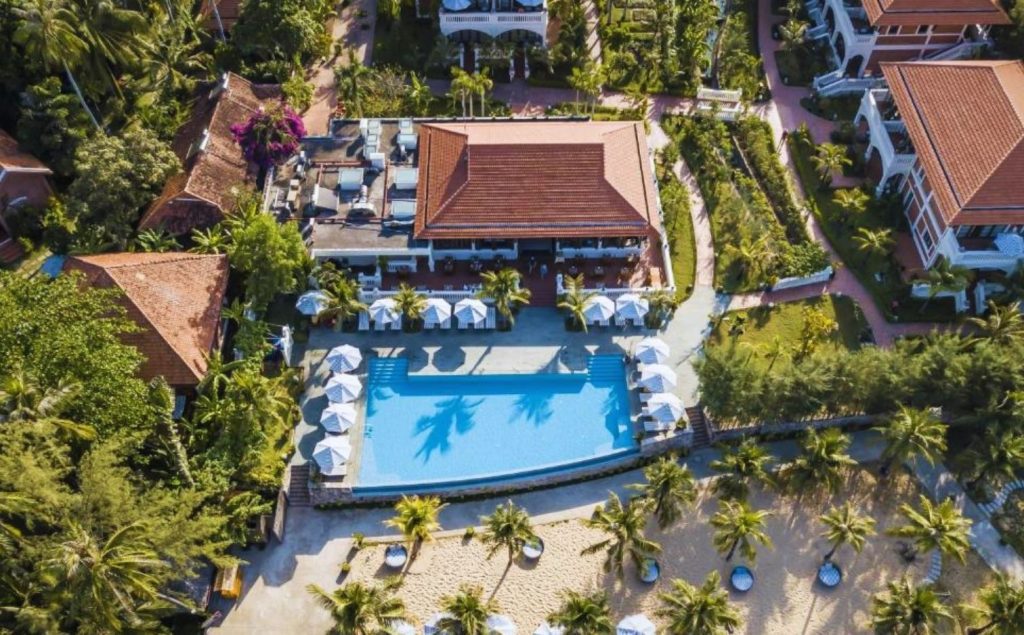
To fully experience the beauty of Phu Quoc National Park, consider staying overnight at Cassia Cottage resort in Duong Dong. This charming resort offers a range of accommodation, from cozy lodges to eco-friendly options. Staying at Cassia Cottage will give you more time to explore the park and immerse yourself in the soothing sounds of nature.
With sunset dining at The Spice House and a peaceful atmosphere throughout the resort, Cassia Cottage turns a national park visit into a more memorable Phu Quoc escape. As the evening light fades over the beach, couples can enjoy a relaxed dinner, with dishes such as Australian MB4+ steak and New Zealand lamb chops bringing more warmth and character to the night.
Cassia Cottage also offers exclusive packages for in-house guests:
- Romantic Dinner: Enjoy dinner by the beach in a private Pergola. Choose from a set menu or à la carte options. The setup fee is 1,500,000 VND (waived for in-house guests), and the set menu price is 1,729,000 VND per person.
- Romantic Getaway Package: Includes one romantic dinner, perfect for couples seeking a serene and intimate experience.
- NatGEO Package: Includes 2 half-board meals for two people (a total of 4 half-board meals), a fantastic option to savour the best of what The Spice House has to offer.
Complete your Phu Quoc journey with a direct booking at Cassia Cottage, where beachfront calm and sunset dining create a naturally romantic experience.
FAQs About Phu Quoc National Park
1. Where Is Phu Quoc National Park, And Why Is It Special?
Phu Quoc National Park lies in the northeast of Phu Quoc Island, about 13 km from the island’s centre. It is one of Vietnam’s most important protected areas, known for its evergreen forests, mountain trails, streams, and rich biodiversity.
2. Is It Easy To Visit From Nearby Hotels Like Cassia Cottage?
Yes. From Cassia Cottage, you can reach the park by taxi or motorbike; travel time varies by entry point. Start early to avoid the heat and allow time for hiking or stream visits.
3. What Are The Best Activities In The Park?
Visitors can enjoy hiking to Mount Chua, walking forest trails such as Suoi Tien, exploring streams like Da Ban and Tranh, kayaking on the Cua Can River, wildlife watching, and riding a motorbike through scenic forest roads.
4. Do I Need A Guide Or Pay An Entrance Fee?
Entry to the national park is generally free, but some attractions, trekking routes, and eco-tours may require a guide or charge a small fee. Guided hikes are recommended for longer or more challenging routes like Mount Chua.
5. What Should I Bring For A Visit?
Bring sturdy walking shoes, water, sunscreen, insect repellent, and light outdoor clothing. If you plan to visit streams or waterfalls, swimwear and a towel are also useful. For trekking, it is best to start early and be prepared for humid forest conditions.